Australia’s data and AI landscape has shifted dramatically entering 2026. What was once a market driven by experimentation, hype, and exploratory data science has evolved into a highly selective, ROI‑focused environment that demands technical depth, platform mastery, and measurable impact.
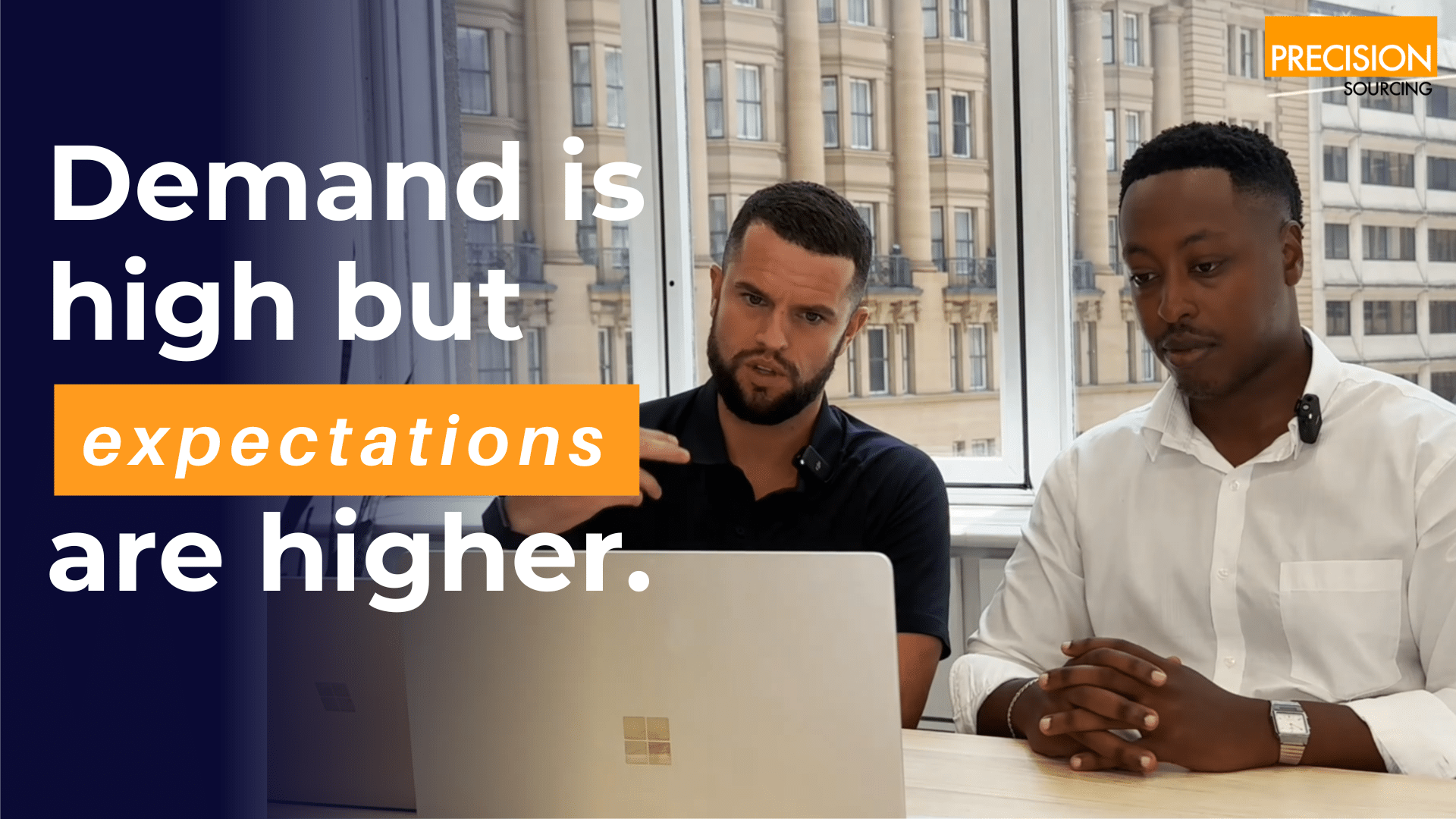
In our recent webinar, Seán and Polain broke down what’s really happening in the market. From hiring trends and platform demand to why even strong engineers are feeling the pressure, here are the insights every data professional needs to understand right now.

Data Quality Is the New Battleground
One of the strongest messages from the session was simple:
If your data is messy, your outcomes will be too.
Companies no longer want hypothetical value, they want AI that drives real business impact. Poor quality data, weak governance, and scattered sources make true AI deployment close to impossible.
For BI and data analysts who rely on pre‑modelled datasets, this shift is significant. Roles limited to dashboard creation are becoming increasingly exposed.
To stay relevant, professionals need to expand into:
- Data modelling
- ETL fundamentals
- Python programming beyond the basics
- Understanding how to build production‑grade systems
The era of dashboard‑only roles is over.

The Market Is Noisy and More Competitive Than Ever
Seán and Polain made it clear. The talent market is flooded. Job ads are attracting hundreds of applicants within days, and hiring teams are overwhelmed by volume. Yet this surge does not translate to quick hiring or easy job offers. Hiring has become extremely selective. With so many candidates available, employers can afford to be choosy.
They are looking for professionals with:
- Hands on experience
- Real delivery outcomes
- Clear and credible impact stories
- Demonstrated platform expertise
Listing tools that you have never used is one of the fastest ways to lose credibility. This point was stressed throughout the webinar.
CV Quality Is a Major Differentiator
A surprising insight from the session was that roughly 60% of CVs are almost unreadable.
From chaotic layouts to generic job descriptions, many candidates unintentionally hide their achievements. Complex formatting does not impress hiring teams. Clarity does.
According to Seán and Polain:
- Your CV must tell a story, not repeat a job description
- Outcomes matter more than responsibilities
- Listing tools you have not used does more harm than good
- Length does not matter if the content is high quality
A well structured CV that highlights real impact can place you into a higher tier of candidates immediately.
What Skills and Platforms Are Actually in Demand
Across the market, there is no confusion about which platforms are leading.
Databricks and Snowflake dominate
These two platforms are the most requested across Australian data engineering roles.
Python and SQL remain non-negotiable
Regardless of role type, these fundamentals form the foundation of employability.

DBT is gaining traction
Especially as it joins forces with Fivetran, although it remains secondary to Databricks and Snowflake.
Fabric usage is growing
Despite a mixed reputation, adoption is improving as the platform matures.
At the same time, many job descriptions are unrealistic and ask for experience in tools that are too new for such expectations. This trend is beginning to correct itself as the market stabilises.
The Market Is Tough Even for Good Engineers
For professionals actively job seeking, the reality is challenging.
Companies frequently change their needs mid process, roles get rewritten, and hiring cycles move slowly. Even experienced engineers are feeling the effects.
WHAT DOES HELP?
- Continuous upskilling
- Personal projects that demonstrate genuine interest
- Industry specific experience
- Active networking
- Engagement with community events
- Ensuring your CV and LinkedIn are aligned and complete
Simply applying through job boards is no longer enough. Personal visibility and relationship building have become critical.
Advice for Juniors and Career Changers
The truth is difficult. It is extremely hard for juniors to enter the market right now.
This mirrors the period after the GFC, when companies avoided junior hiring for several years. Today, AI driven disruption is creating similar conditions.
For juniors and those attempting to transition into AI or ML:
- Aim for consultancies that can provide project variety
- Attend events and meetups to build visibility
- Create side projects and maintain a GitHub portfolio
- Seek internal opportunities to gain hands on experience
Persistence and strategic positioning matter more than ever.

Final Takeaway: The Market Rewards Those Who Deliver
The message from the webinar was clear.
This is a tight, demanding, high competition market. However, there are real opportunities for professionals who can demonstrate skill, clarity, and measurable impact.
IF YOU CAN SHOW:
- Real experience
- Real outcomes
- Real technical depth
You will stand out.
For those who stay focused, continue developing their craft, and adapt with the market, 2026 still holds significant potential in the data and AI space.
Ready to Go Deeper? Watch the Full Market Report Webinar
No related author found.